.jpg)

14 PPC B2B Lead Generation Tactics to Set Your Marketing on Fire
What is a new lead worth to your business? If you're like most B2B companies, the answer could be tens of thousands of dollars in revenue.
The problem, though, is that gaining new leads is a challenging exercise for B2B firms. Apart from the problem of limited budgets and lengthy sales cycles, the B2B buying landscape has changed dramatically in the past three years. Digital channels now dominate the B2B buying process, and many companies feel they need to be equipped to compete in this landscape.
In my experience, the biggest misconception about B2B PPC is expecting instant sales. In reality, PPC rarely closes deals directly — especially in industries with long sales cycles. What it really does well is create structured entry points into your pipeline.
In B2B, you're not buying clicks. You're buying access to decision-makers, and that requires a different mindset, different metrics, and a different level of patience.
In this article, we'll discuss 16 PPC B2B lead generation tactics to help set your marketing on fire. From remarketing to ad scheduling and negative keywords, we'll cover a range of strategies to help you attract better leads and grow your business.
What is PPC B2B lead generation?
PPC (Pay-Per-Click) advertising is a form of online marketing where a business pays each time someone clicks on its ad. In other words, instead of paying for impressions or hoping people will find you organically, you only pay when a potential lead actively engages with your ad.
For B2B companies, PPC is one of the most direct and measurable ways to generate qualified leads. It allows you to capture people already searching for solutions you provide rather than waiting months for organic traffic from SEO or content marketing to build.
Unlike long-term organic strategies, which require consistent content creation, SEO optimization, and email nurturing, PPC delivers faster results, giving your sales team leads they can act on immediately. In essence, PPC is a shortcut to connecting with decision-makers at companies who are ready to engage.
The process starts with clearly defining your target audience including industry, company size, job roles, and buying intent rather than simply choosing a broad “ideal customer.” From there, you target relevant search queries and keywords that signal interest in your product or service.
When potential buyers search for those terms, your ads appear in prominent positions within the results. If your messaging aligns with their needs, they click through to a dedicated landing page designed to capture their information — whether through a demo request, consultation booking, gated content, or another conversion action.
Because it delivers faster results, PPC advertising can be an excellent option if you're still finding your way around organic lead generation. It's also a great way to launch new products, start your new business, or add something different to your marketing strategy.
Why B2B PPC Is Fundamentally Different from B2C
In my experience, many teams try to treat B2B campaigns like B2C. They think “just higher CPC, same rules.” That’s a trap. B2B buying is fundamentally different:
- Longer Sales Cycles
Deals can take 3–9 months (sometimes more). You’re not selling socks to someone who decides in five minutes. - Multiple Decision-Makers
6–11 stakeholders, each with different priorities, are involved in a single purchase. - Pre-Research Dominates
About 70% of the decision-making process happens before a lead even speaks to sales. - B2C Triggers Don’t Work
Urgency, discounts, or “buy now” messaging often backfire. In B2B, it can signal cheapness or lack of credibility. - Success = Pipeline Impact, Not Clicks
CTR or low CPC are nice metrics, but they don’t move the business forward. Real success is measured by SQLs and the contribution to revenue.
When you frame your campaigns around these realities, you stop wasting budget on unqualified clicks and start speaking the language of real buyers.
Tip from the field: If your messaging doesn’t account for these nuances, your clicks might be high, but your pipeline will be empty.
Who PPC Lead Gen Works For
PPC lead generation isn’t a universal solution — but for the right businesses, it’s a rocket booster. The question is: is it the right fit for you?
Let’s break it down.
🚀 It works for B2B companies with high-value products or services
When your average deal size is $1,000, $10,000, or more, every qualified lead carries real revenue potential. And if one closed deal can realistically cover your monthly ad spend, PPC becomes a scalable growth lever — not just a traffic source.
From what I’ve seen, PPC becomes truly effective when you understand your unit economics. If your average deal size is significant and your lifetime value (LTV) comfortably outweighs your cost per acquisition (CPA), paid traffic can scale predictably.
But if you don’t know your acceptable cost per lead, PPC quickly turns into guesswork. Scaling traffic without validating downstream conversion is one of the most common (and expensive) mistakes in B2B. You're not chasing clicks for the sake of traffic, you're investing in pipeline growth backed by clear numbers.
🧪 Great for testing new offers, fast
Got a new service line, feature, or product? Instead of waiting months to see if organic traffic bites, launch a PPC campaign and get feedback in days. You’ll know which headlines work, which messages resonate, and whether your landing page converts — or not.
Bonus: quizzes and interactive forms (yep, like the ones you can build in Marquiz) can make this testing even more insightful. You don't just get leads — you get lead insights.
⏳ Ideal if you need leads now
Organic marketing is awesome... six months down the road. But sometimes, you don’t have that kind of time. If you’re launching a new company, entering a new market, or just need to show some results by the end of the quarter, PPC is a fast track to visibility and lead flow.
🧭 Helpful when your target audience is very specific
PPC lets you zoom in on the exact people you're trying to reach—by job title, industry, location, or search intent. That’s perfect for niche B2B companies who don’t need thousands of leads—just the right ones.Imagine you’re a software provider for logistics companies in Germany. With a well-structured PPC campaign, your ads can appear only to logistics directors actively searching for warehouse automation solutions. You avoid wasted clicks, and every impression goes to someone who’s already in the market for what you offer. In other words, PPC turns your advertising budget into a precision tool.
Benefits of PPC ads for B2B companies
PPC advertising plays a vital role in B2B lead generation. You can use PPC campaigns to target specific demographics, locations, and interests, making it easy to reach the most relevant audience.
They are also highly measurable, cost-effective, and provide quick results that immediately impact your bottom line. Here's a roundup of PPC lead-generation for b2b generation's key benefits.
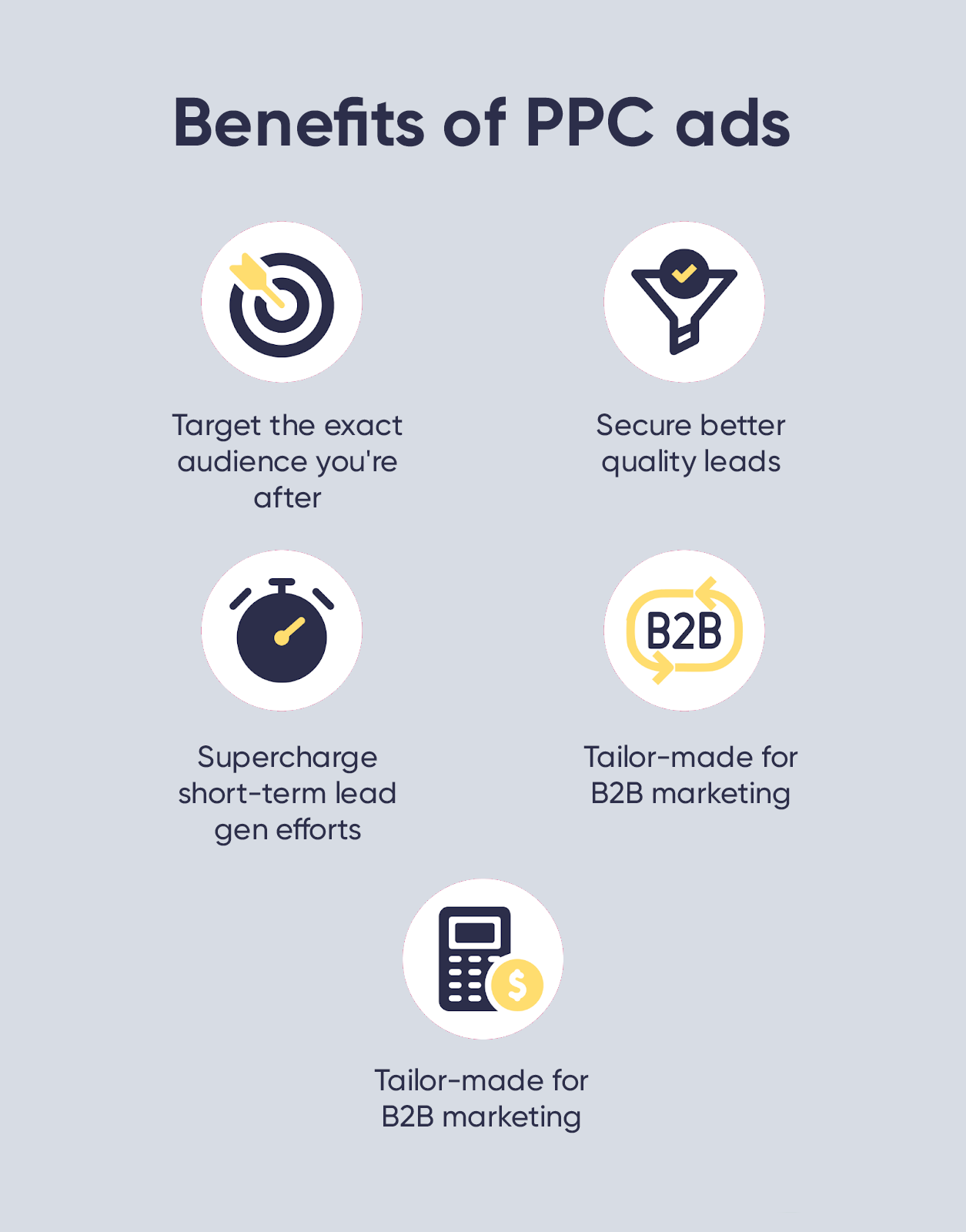
- Target the exact audience you're after:
PPC campaigns let you drive leads that impact your bottom line. You can display ads to those who are most likely to be interested in your products or services. - Secure better quality leads:
PPC lead generation also helps secure qualified leads that want to buy right now. You can target prospects with high buyer intent, ensuring that your ROI figures maintain a healthy outlook. - Supercharge short-term lead gen efforts:
Need more time to plan and execute an organic lead generation plan? No problem. With PPC B2B lead generation, you can boost marketing results immediately and set the foundation for a long-term strategy. - Tailor-made for B2B marketing:
PPC ads can boost brand awareness by up to 140%, making them a perfect means to spread the word about your company. It also offers the highest ROI of any digital marketing strategy. - Stay on track and budget:
PPC campaigns are easy to track and measure, so you can see which tactics are working and adjust accordingly. It also helps you keep a firm eye on your budget and improve your return on investment.
In summary, PPC can be the spark you need to jumpstart your lead-generation efforts. Next, we'll discuss how to apply PPC to your B2B marketing effectively.
5 “Must-Have” PPC Channels for Your B2B Campaigns
Not all PPC platforms are created equal. The key is knowing where your real buyers spend their time and which platform fits each stage of their journey. Here’s a clear breakdown:
Expert tip: Don’t just spray your budget across platforms. Start by mapping which buyers you want in your funnel, then choose the platforms that give you the highest chance of reaching them with relevant messaging. For example: LinkedIn is unmatched for targeting CIOs in enterprise IT, while Google Ads wins for buyers actively searching “[your product] for [industry].”
14 strategies for effective PPC B2B lead generation
While PPC is a measurable and scalable way to get more B2B leads, it can be easy to get wrong. Done well, PPC B2B advertising can help you attract top-quality leads. But it can also have the opposite effect when implemented improperly, costing you money and time and producing little results.
If you find yourself in a position where your B2B PPC advertising needs to be fixed, the following tactics can help. Let's dive into these 16 PPC strategies you can implement to improve the quantity and quality of your B2B leads.
1. Start with the end goal
It sounds obvious, but it bears stating that you should only begin PPC lead generation with the end goal. You'd be surprised how many B2B firms dive head first into buying search ads, then ask questions later. Instead, ask questions first and create a plan of action.
You should start by asking: What do we intend to achieve? What is the end goal? Of course, the ultimate goal might differ depending on your unique business objectives and plans. For instance, these are some common goals B2B companies look to achieve with their PPC lead gen.
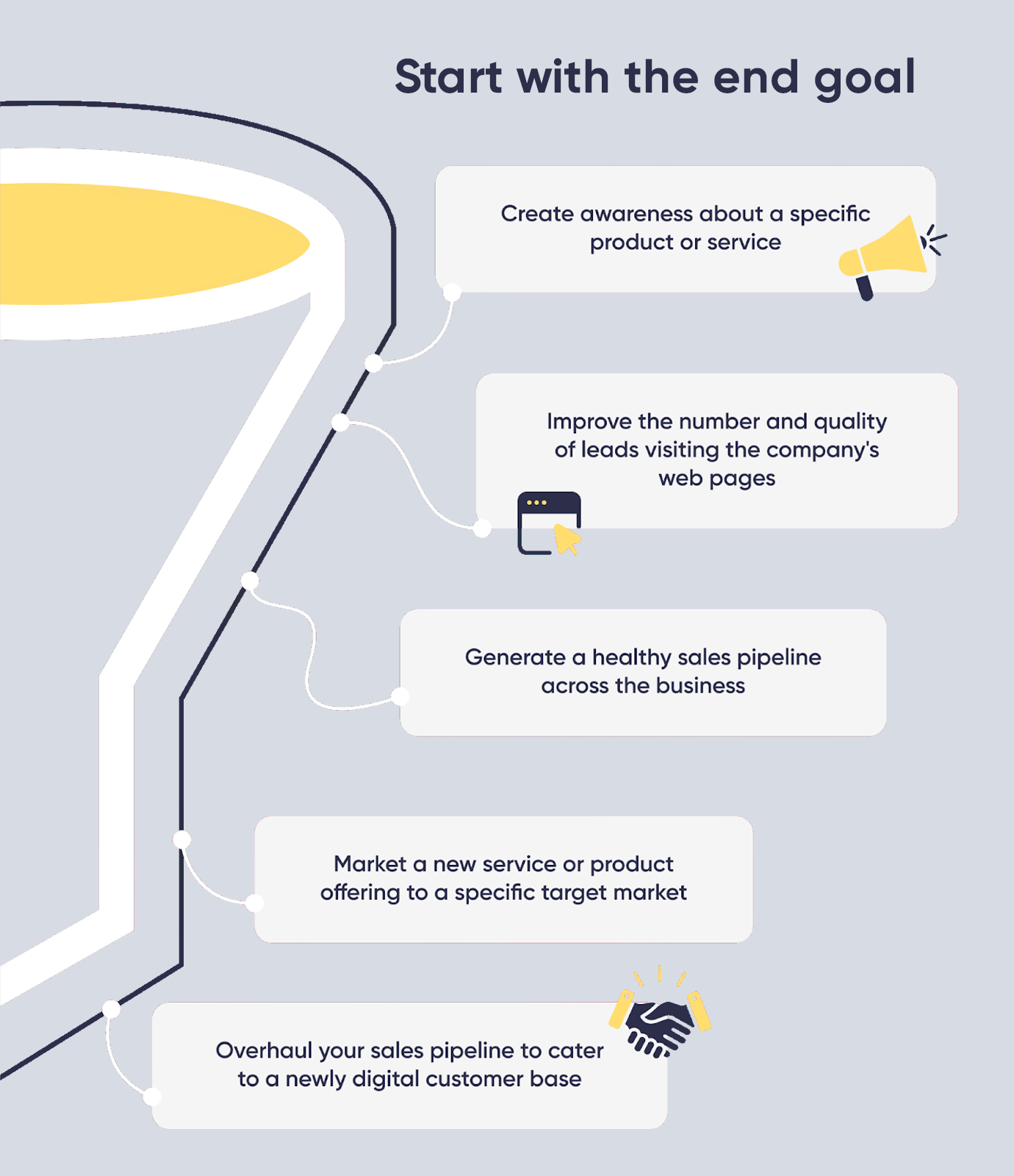
- Create awareness about a specific product or service
- Improve the number and quality of leads visiting the company's web pages
- Generate a healthy sales pipeline across the business
- Market a new service or product offering to a specific target market
- Overhaul your sales pipeline to cater to a newly digital customer base
Whatever your reasons for deciding on PPC advertising, your first step should be to define those goals clearly.
When you've done this, your next task is to determine what needs to happen for the goal to happen. Ask yourself:
- How many leads do I need to reach a good level of awareness for my business?
- What would a digitally-native sales pipeline look like?
- What kind of conversion rates should my business target with higher-quality leads?
With the end goal in mind and an outline of what you need to get there, you're better equipped to make the most of your lead-gen efforts.
2. Do some groundwork
After determining your ultimate lead generation goal, you should ask next: what type of leads do I want to attract?
As marketing guru Neil Patel notes, one of the main causes of poor PPC B2B lead generation results is improper targeting. Not being clear on your target audience, what they do, and why they need your product can frustrate your lead generation efforts.
Therefore, it's vital to be crystal clear on who your ideal customer is. Hubspot advises that creating a Buyer Persona is a great way to find out your prime customer. Here's what it looks like:
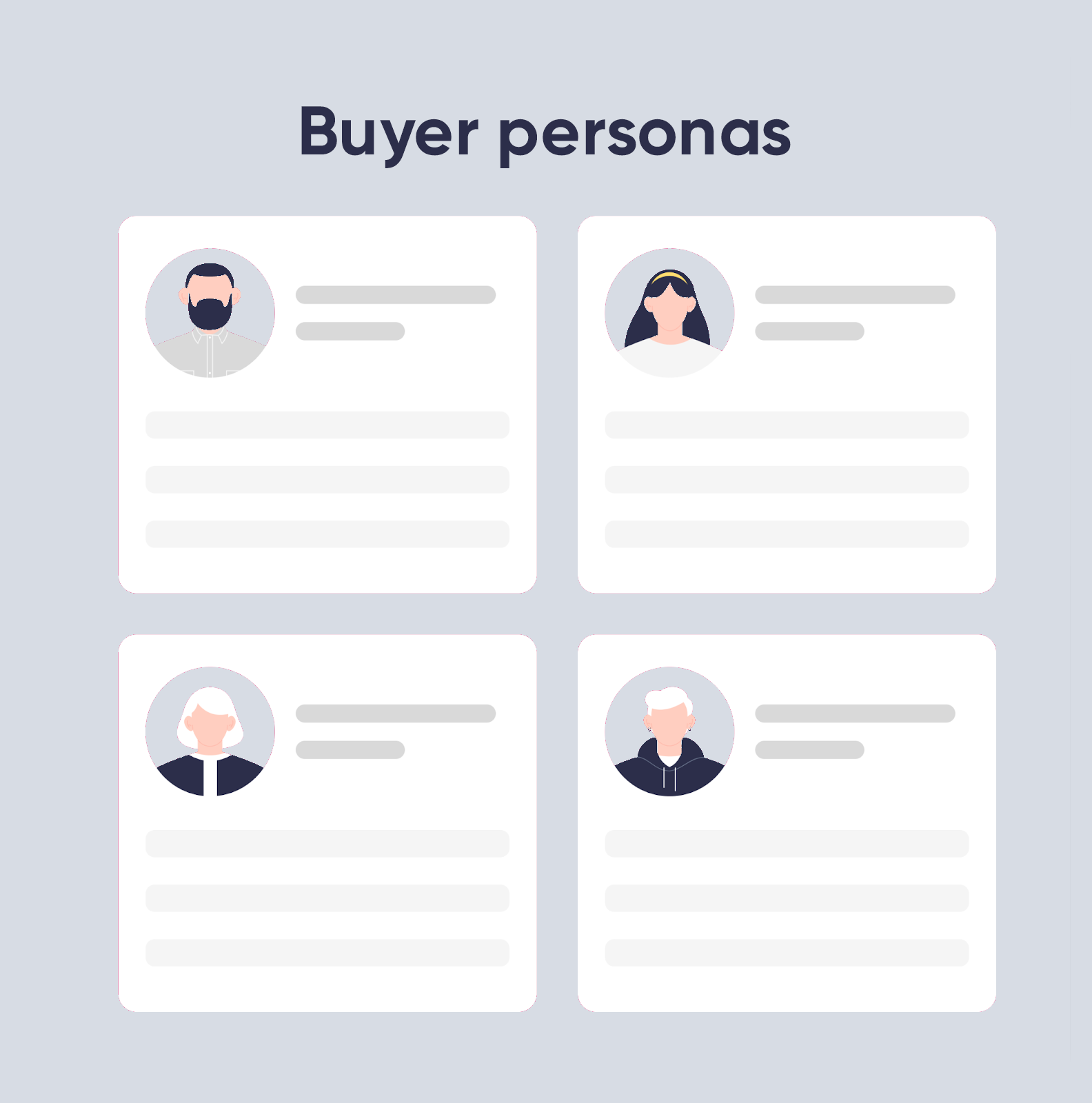
You should consider the interests of your ideal customer in creating the Buyer Persona. For instance, what publications do they like? What companies or individuals influence them? What internet communities do they spend time in? It's also a good approach to consider where they work, their industry, and potential company size.
With the Buyer Persona, you can gather better information to refine your ad campaign so that the right prospects see your ads. The information can also help improve the copy on your ads and landing pages, giving you the right tools to attract quality leads.
3. Conduct keyword research
For example, if you offer warehouse automation software, the difference between targeting “warehouse solutions” and “warehouse automation software for 3PL companies” is massive. The second query signals intent, specificity, and likely budget.
In B2B, high-cost keywords are often high-value keywords. I’ve seen campaigns where the most expensive clicks were also the ones generating qualified demos.
There are many tools you can use to conduct keyword research, both free and paid. Ahrefs, Semrush, Ubersuggest, and Google Trends are great options.
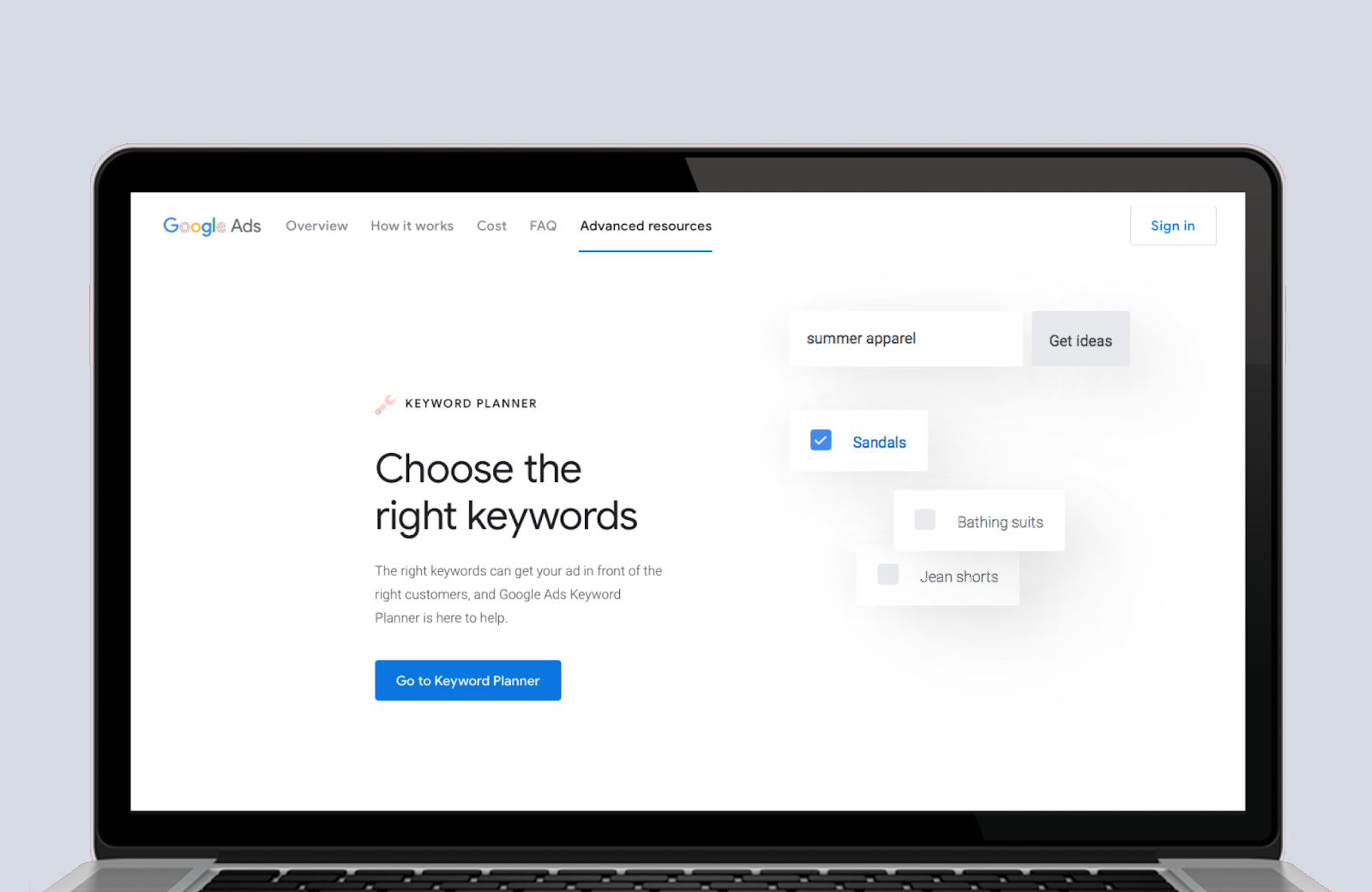
Source: Google
Google Keyword Planner is an especially useful option because Google created it to support their search ads offering. Facebook Ads also has a helpful keyword tool that you can employ for your research.
A great way to make the most of keyword research is to target search terms that are ultra-specific to your product or service. For instance, you can target long-tail keywords - search terms with three or more words - to drill down into your audience. "Used beanie bag price in Sydney" is an example of a long-tail keyword.
Apart from ensuring you're reaching the right audience, long-tail keywords also help manage your PPC expense. They'll help you avoid clicks from low-intent prospects.
4. Design the marketing campaign
Once you've determined the keywords you'd like to target for, you're ready to design your marketing campaign. A marketing campaign is a detailed plan showing the platforms, methods, and activities involved in reaching your lead generation end goal.
It identifies what platforms you want to run the PPC ads on, what types of ads you're interested in employing, and how long you expect the campaign to run.
Speaking about types of PPC ads, there are several to pick from.
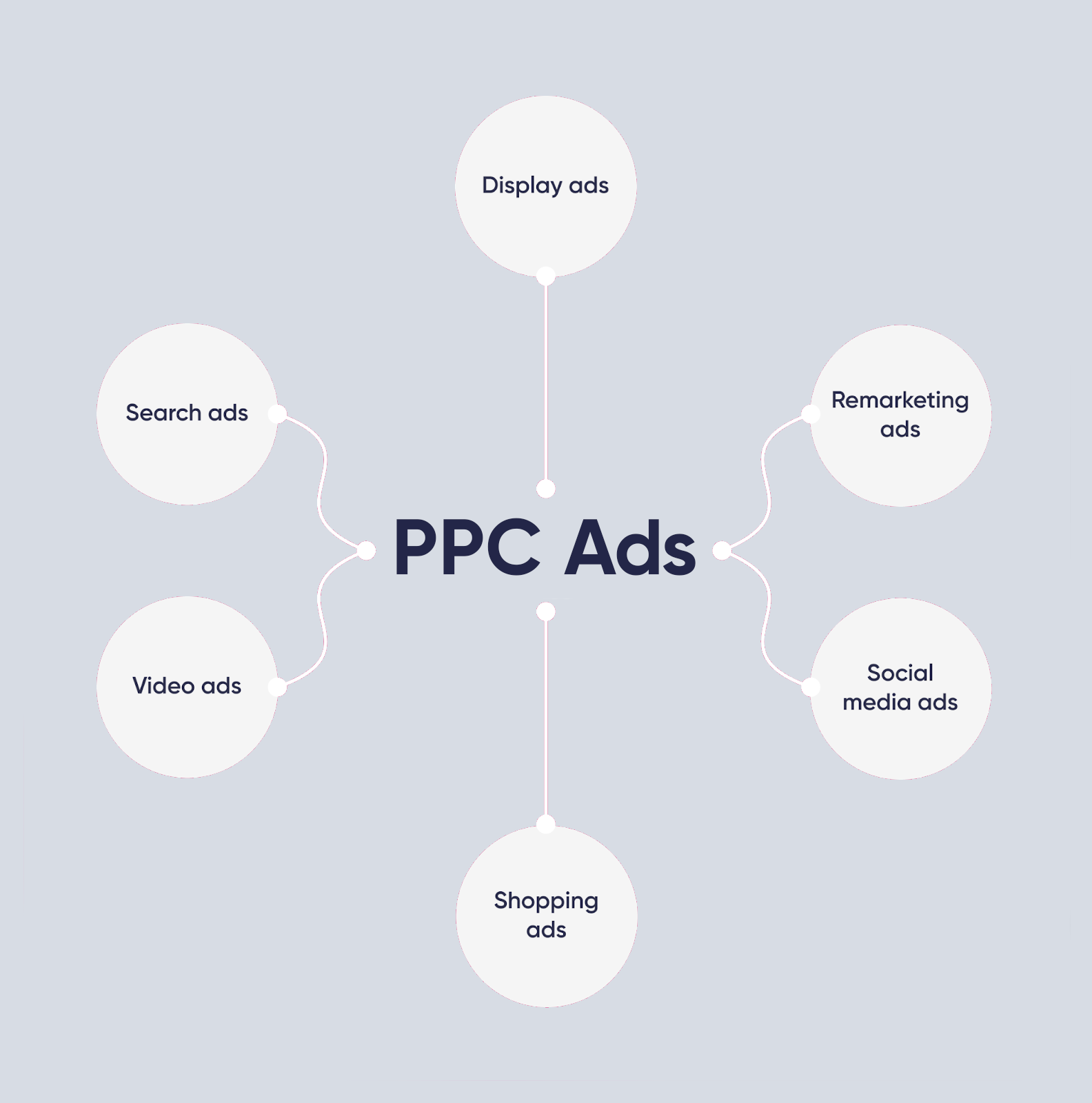
- Search ads
- Display ads
- Remarketing ads
- Video ads
- Shopping ads
- Social media ads
Think carefully about the platforms where you place the ads, as this will depend on the spaces where your target audience spends their time online. For instance, if they do a lot of searches for keywords related to your products, placing search ads, like Google Ads, could be a great idea.
But if they also use social media often, you'll need to figure out which social media platforms they spend the most time on. From Facebook Ads to LinkedIn, Google, Microsoft Ads, and niche industry platforms, most major social media platforms offer some form of PPC advertising.
5. Create ad groups
If your company has multiple target audiences, and you intend to target more than one of them, using ad groups can help. Ad groups can also allow you to focus on specific products, services, or audience segments.
An ad group is a collection of related ads with the same keywords, targeting, and budget. You'll use them to tailor your messaging, create and test various ad variations, and even use geotargeting - a way to serve PPC ads to only prospects in a specific region.
Think about creating ad groups around the following:
- Product/service: You can bid for keywords around your product catalog.
- Target industry: Where your products or services apply across various industry verticals, you can optimize for, say, your five biggest industry customer groups.
- Brand/competitors: Take a swipe at the competition by using their name or keyword in your ad copy so your company shows up in a search for their name.
- Geographic location: For B2B companies with stores in multiple locations, it's a good idea to serve ads for the store's location. That's because local searches have an insane conversion rate - 80% of local searches done on mobile result in a sale.
6. Write compelling ad copy
After you've done all the work to research great keywords and create a great marketing campaign, it would be a shame to spoil it with poor ad copy. It's critical to spend time developing and refining your ad copy so it's fit for purpose.
But that begs the question: what makes great ad copy? There are a few key factors to watch out for:
- Relevance: Great ad copy is relevant to the target audience and their needs. It directly addresses the problem that your product or service solves.
- Focus on benefits: It introduces and describes your products in terms of their benefits, not just their features. It tells prospects how you solve their problem.
- Unique value proposition: It communicates what sets your company apart and why your service/product is better than others.
- Call to action: It has a clear and compelling call to action that encourages the prospect to take the next step.
- Branding: It reflects your brand personality, reinforces your brand identity, and gives prospects a glimpse into what it's like to work with you.
In addition, your ad copy should be concise and memorable. But resist the urge to dumb it down. Remember you're trying to attract leads who are genuinely interested in your product, not just anyone that thinks what you do looks cool. So, keep your copy at a level anyone operating in that industry would easily understand.
7. Optimize your landing pages
Landing pages are a crucial part of a successful PPC ad campaign. They are designed to maximize every ad click you receive and convert traffic into valuable leads. If you aren't employing landing pages to complement your PPC strategy, that has to change pronto.
Although building dedicated landing pages can be tasking, it's guaranteed to achieve results. And if you include a lead magnet on the landing page, you can boost conversion by up to 20%!
If you already have a landing page designed for your ad campaign, great work. You should review it thoroughly next to ensure that it is:
- Relevant: The landing page should be relevant to the clicked ad. That means leaving out all extraneous information and serving the user precisely what they need right off the bat.
- Focused: It should guide the prospect towards taking only one action and no more. Including too many calls to action will distract and confuse the visitor.
- Effective: Lastly, it should do the job well. It's a great idea to create and test at least two different versions of the landing page using A/B testing. Doing this can improve conversion rate by 300%.

Source: Optimizely
The landing page should also be optimized to collect the exact information you need from the web visitor. Forms are an excellent way to do this. With a form, you can get the visitor's full details, from their name to their contact information and where they work.
You can also tweak them to increase lead quantity, for instance, by reducing form fields, or boost lead quality by increasing form fields or adding multiple steps.
You can adapt many tools for this, but with tools like Marquiz, you can create forms of all types with analytics and branching logic that supports your lead generation efforts.
8. Target acronyms
One feature of the B2B space you've likely come across is the use of acronyms. B2B buyers routinely conduct product searches or research using acronyms. For instance, "OEM" is an all-time favorite that's not going away anytime soon.
Since you know your buyers will be searching for acronyms, it's a great idea to include them in your ad campaign's target keywords. This way, you'll get even more specific on your target buyer, expand your ad reach, and demonstrate your B2B firm's expertise.
A word of caution, though: don't go overboard in using acronyms. Be sure to include sufficient context around the acronyms so your target market can immediately see that you're a fit for them. It also helps prevent a bunch of clicks from people who have no interest in your product or service.
9. Exploit call ads and extensions
You can add a unique spin to your ad campaign by deploying call ads and extensions. For instance, Google Ads provides a call ads option that gives prospects a way to call your business straight from the search ad.
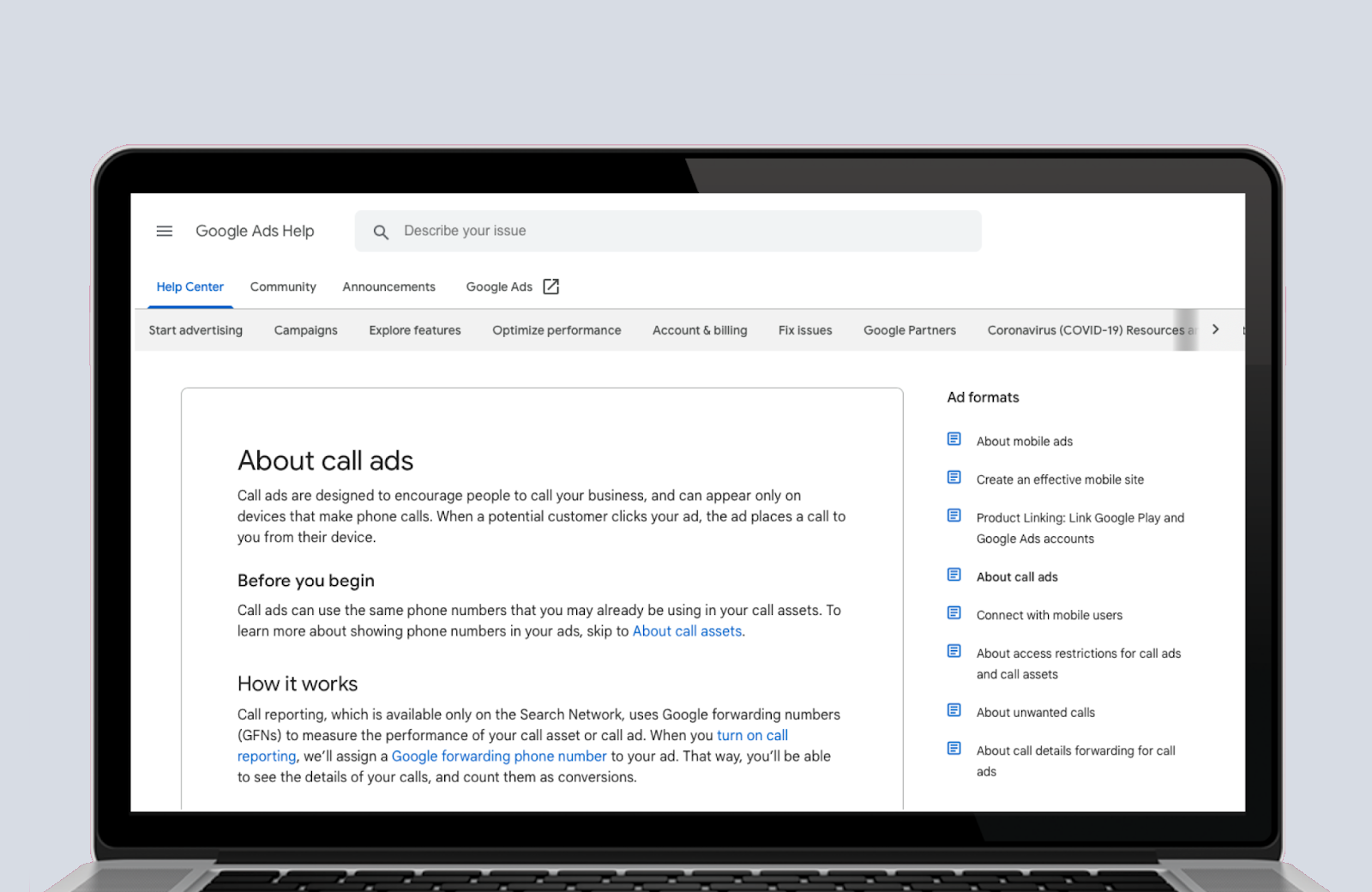
Source: Google
Considering that 70% of paid search impressions and 52% of all PPC clicks come from mobile devices, optimizing for call ads is a strategically sound decision. This makes it easier for customers to contact you and brings the added advantage of immediately qualifying the lead over the phone.
10. Understand the value of negative keywords
Negative keywords offer a way to proactively exclude clicks from traffic that doesn't help your business. They help refine your search strategy, so your ads are served only to visitors within your target audience and help you save money on clicks that don't convert.
Here's how it works. You specify a keyword or set of keywords you don't want to attract traffic from. For instance, in the example below, gaining traffic from people looking for running shoes probably doesn't help your cause if your company sells tennis shoes. You can set "running shoes" as the negative keywords for your ad.
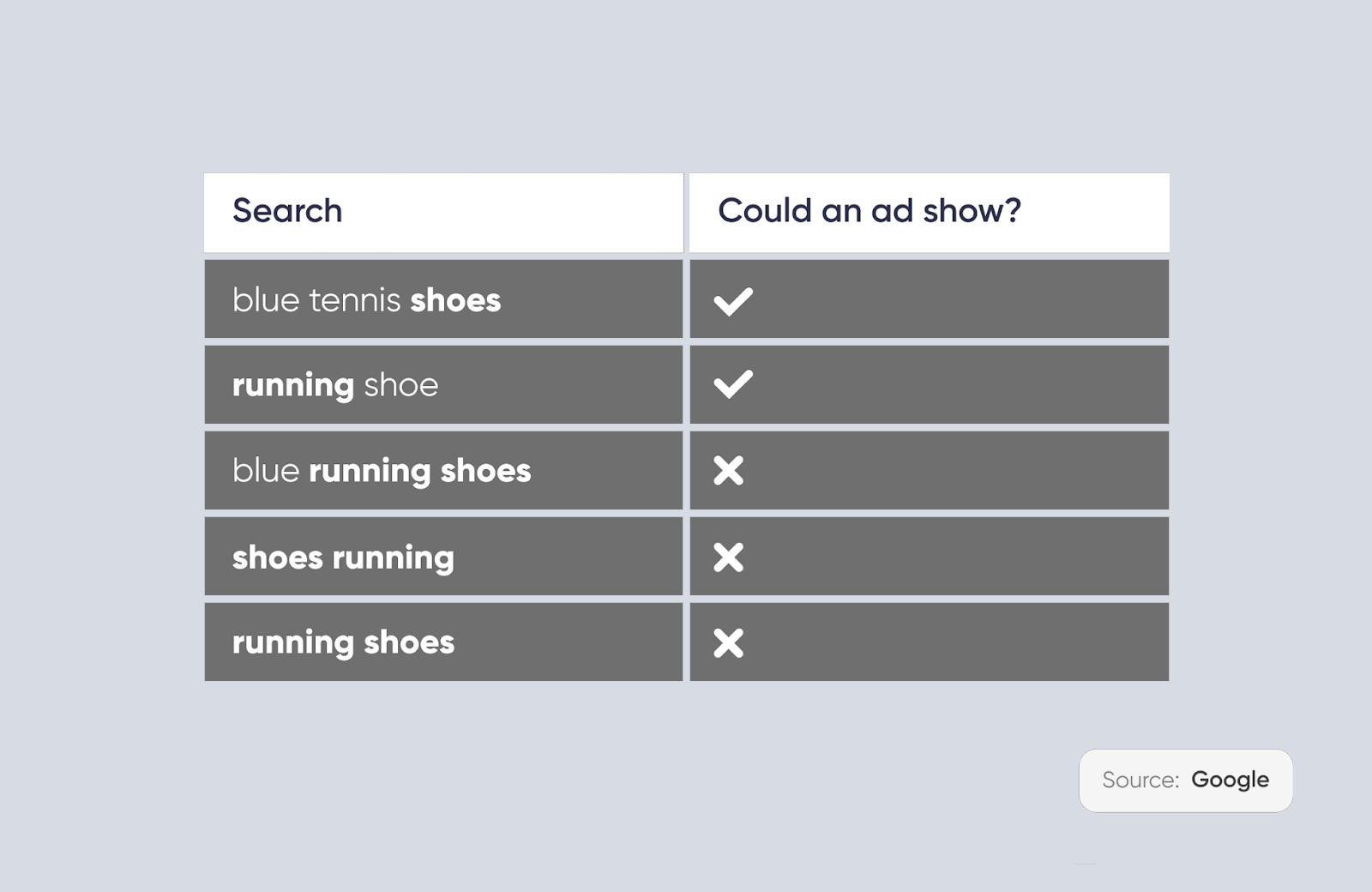
Source: Google
However, to get the best out of negative keywords, include various iterations of the keywords you don't want. In the example above, "running shoes" and its variations were successfully excluded, but your ad may still appear on searches for "running shoe."
11. Use lead magnets
Your work isn't done even after you get prospects to click on your ads. You must still get them to give you their details so you can get to work nurturing and converting them. Lead magnets can help you achieve this with minimal effort and great results.
As Hubspot explains, "lead magnets are tools that provide value for your visitors in exchange for their contact information." They're a quick and easy way to convince people that click on your ad to give you their information. Here's a lead magnet example from OptinMonster:
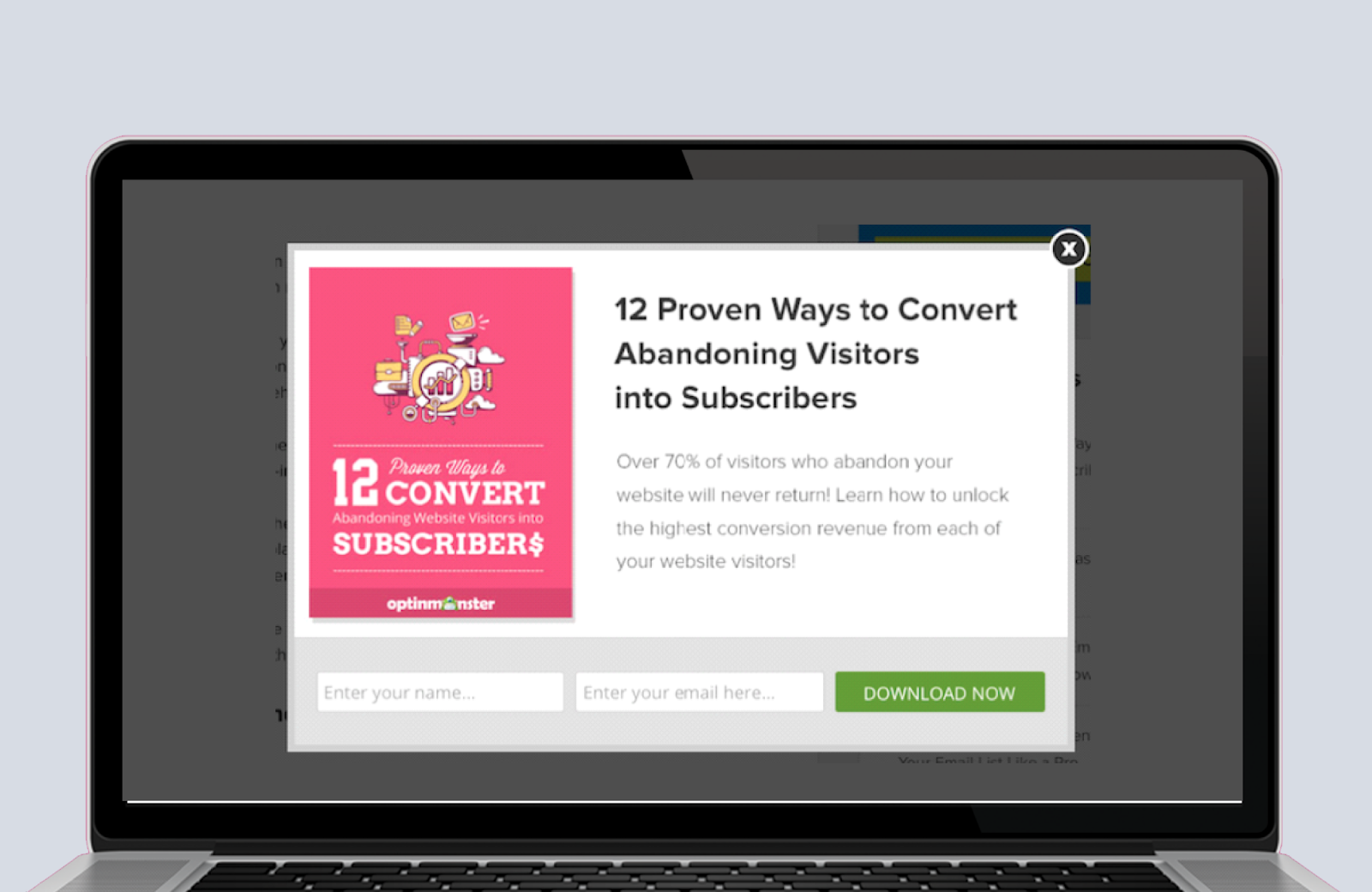
Source: OptinMonster
You can offer different types of lead magnets, from whitepapers and free case studies to ebooks, free resources, or even a free trial.
In determining what type of lead magnet to offer web visitors, think about what they find valuable. However, ensure you're not offering too many free resources or trials that end up hurting your bottom line without increasing revenue.
12. Explore Lookalike Audiences
Lookalike Audiences is a powerful segmentation tool that helps you find parallel audiences to market to. It's an extremely helpful tool if you want to expand your target PPC audience, increase your lead quantity, or discover new markets for your product or service.
As Facebook explains, Lookalike Audiences are likely to be interested in your ad because they share similar characteristics with your target market. The tool leverages your existing buyer persona to identify new prospects and attract and convert them.
But the tool isn't restricted to Facebook alone. Google Ads also has a Similar Audiences feature that lets you pursue horizontal markets and potentially expand the range of your PPC B2B lead generation efforts.
13. Use retargeting
Retargeting, also called remarketing, is a highly effective PPC strategy that lets you remarket to prospects that failed to convert in the past.
As all B2B marketers know, not all prospects that find their way to your website will convert. Some leave without providing their contact information, while others may drop out of your sales pipeline at various stages.
Retargeting helps ensure you can still coax a sale out of those old leads. It allows you to make a new pitch to your old or cold leads and, importantly, brings them back right to the point where they dropped out of your sales pipeline, making a sale or conversion happen faster. Here's an example of how it works:
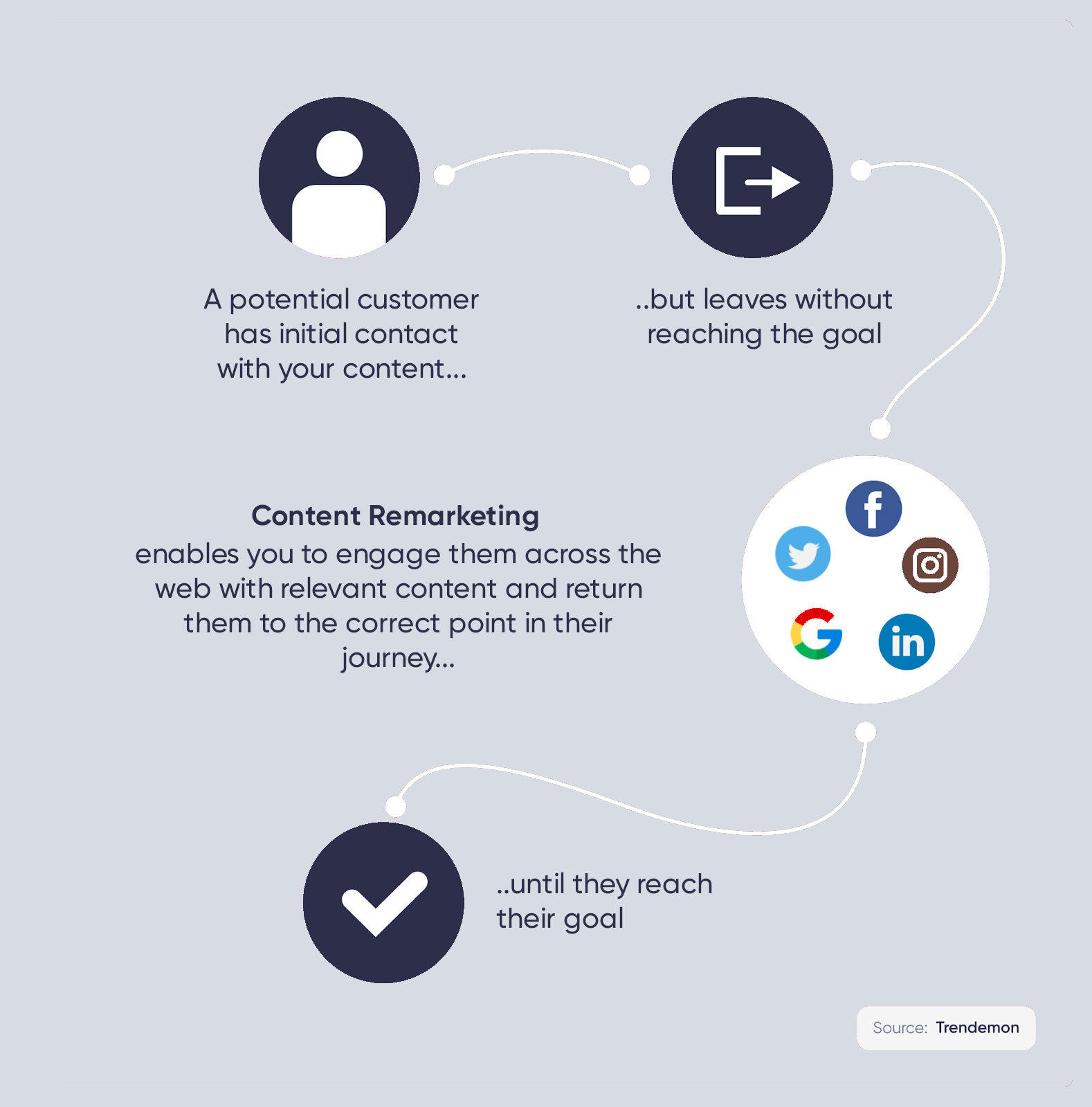
Source: Trendemon
Done well, retargeting procures higher quality and more qualified leads for your business. Since they've interacted with your offer in the past, the odds are excellent that a sale will occur if they come back into your pipeline.
14. Test, measure, tweak, repeat
You probably already know this, but it bears repeating: the only way to maximize your PPC B2B lead generation efforts is to keep improving. PPC advertising can generate leads quickly, but the difference between an average campaign and a profitable one usually comes down to how consistently you test, measure, and optimize.
There are many ways to test your PPC campaigns. In this guide, WebFX explains several approaches for testing ad copy, landing pages, and ad extensions. [18] By systematically testing these elements, you can see what resonates with your audience and where adjustments are needed.
Even after a campaign goes live, monitoring performance is essential. Every click costs money. Without regular analysis and optimization, it’s easy to spend budget on traffic that never turns into real opportunities.
From my experience, the biggest gains rarely come from tweaking a headline or adjusting a bid. They come from better segmentation.
A situation I see quite often looks like this: a client wants to launch one universal campaign with a single landing page or quiz. The reasoning sounds logical—test the idea first, keep costs low, and scale later if it works.
On paper, it makes sense. In practice, this approach usually performs much worse than campaigns built for specific segments.
I ran into this exact situation while working on a B2B campaign in the U.S. market for a company hiring staff for industrial and warehouse operations. Initially, the client wanted to test one general quiz with the offer: “Find warehouse and manufacturing jobs across the U.S.”
We launched a single broad campaign directing all traffic to one quiz.
After the first three weeks, the results looked like this:
- Quiz conversion rate: 1.3%
- Cost per lead: about $16
Not terrible—but clearly underperforming.
When I reviewed the responses, a pattern started to emerge. Certain groups were far more engaged than others. In particular:
- Candidates interested in food processing and poultry facilities
- Women applying for warehouse and packaging roles, who were completing the quiz much more frequently
Instead of keeping everything in one funnel, we created separate quiz flows tailored to these segments. The structure stayed simple: different quiz links placed within the same campaign groups rather than launching entirely new campaigns.
The results changed dramatically.
- Food processing segment: 12% conversion rate, cost per lead under $4
- Women-focused warehouse roles: 2.9% conversion rate, around $7 per lead
In other words, segmentation increased conversion rates by almost ten times for the best-performing audience and cut acquisition costs by more than four times.
The lesson here is straightforward: testing is not only about small creative tweaks. Often, the real improvement comes from understanding who responds to your offer and adjusting the experience around them.
A single campaign can generate traffic. But a segmented campaign structure is what turns that traffic into qualified leads.
Top B2B PPC Mistakes That Quietly Drain Your Budget
Even seasoned marketers fall into these traps. I like to call them “quiet killers” because the damage accumulates before anyone notices:
- Keywords Too BroadGeneric terms like “marketing software” attract clicks from people who will never convert. Niche, role-specific long-tail keywords perform way better.
- No CRM IntegrationLeads flow into spreadsheets or forms but don’t loop back to optimize campaigns. Your budget is spent on traffic that never turns into revenue.
- Automation on AutopilotAI tools are helpful, but leaving campaigns unchecked often leads to cheap clicks from unqualified audiences. Treat AI as a co-pilot, not a replacement.
- One Landing Page Fits AllSending every prospect to the same generic page kills conversions. Different roles and funnel stages need tailored pages.
- Using LinkedIn Like GoogleLinkedIn is for account-based targeting and relationship-building, not blasting bottom-funnel offers to cold audiences.
Avoid these mistakes, and your campaigns start performing like real business drivers instead of vanity exercises.
FAQ
1. Is PPC too expensive for small B2B companies?
Not necessarily. PPC lets you control your daily budget and spend only what you’re comfortable with. Start small, test campaigns, and scale what works. Even a $10/day budget can bring results if your targeting and offer are on point.
2. How long does it take to see results from PPC?
Usually fast. You can start getting clicks and leads within a few hours of launching a campaign. But optimizing for quality (and cost) takes a bit longer—give it 1–2 weeks of testing to see what’s really working.
3. What’s better: PPC or SEO for B2B lead generation?
Both have their place. PPC brings quick, targeted traffic and is great for testing or time-sensitive offers. SEO is more of a long game. Many smart B2B teams use both: PPC for immediate impact, SEO for steady growth.
4. Can I use a quiz as a landing page for PPC ads?
Absolutely—and you should! Quizzes help qualify leads, personalize the experience, and boost conversion rates. Instead of a boring form, give users something interactive. That’s where tools like Marquiz really shine.


.jpg)